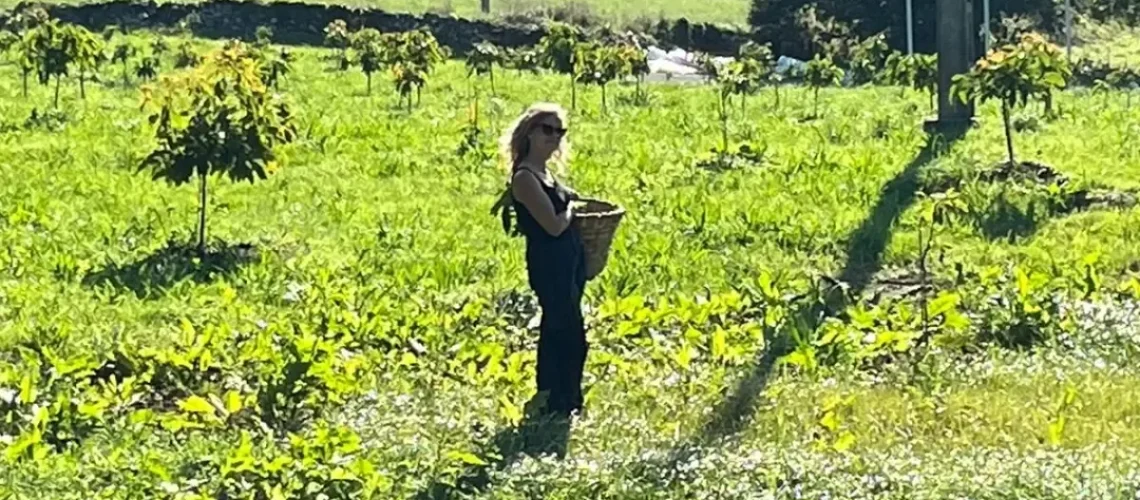
Asturian faba beans are sown in spring, usually in May, when the soil has warmed up. They grow climbing up stakes through the summer, are harvested in September and October as the plant dries out, and are then dried fully, threshed and sorted before being packed. The whole process takes a good half year.
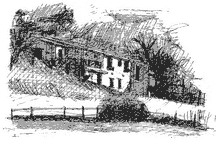
We are a family farm in San Martín de Luiña, in the municipality of Cudillero, and we have been growing Faba Asturiana IGP of the Granja Asturiana variety since 2009. Here we tell you what a year of faba looks like in the field, with what the technical sources say and what we have learned ourselves. In 2026 our faba was chosen Best Faba Asturiana IGP at the Primera Flor de Grado competition, but behind that award there are many seasons of trial and error.
What exactly is the faba that is grown?
Faba Asturiana with Protected Geographical Indication is a dried bean of the species Phaseolus vulgaris, Granja Asturiana variety, grown in Asturias and separated from the pod. It is a climbing plant, and so it needs a system of stakes to grow upright and produce healthy pods. SERIDA, the agricultural research center of the Principality, sums it up like this in its breeding work. The traditional materials covered by the IGP require staking, and that makes the crop more expensive.
The bean has to meet certain measurements. According to the IGP regulation, which is reflected in the agricultural insurance orders for faba, the minimum length is 18 millimeters, the maximum width 11.5 and the maximum thickness 8.5. It is a large, white faba with a thin skin.
If you want to see how it differs from other legumes, there is the comparison between Asturian faba, verdina and Lourenzá faba.
When are Asturian fabas sown?
In Asturias the faba is sown in spring. It is usually done in May and, if the weather is cold or very rainy, it is stretched into early June. The seed needs soil that is no longer frozen or waterlogged to germinate well. We started with the faba in May 2009 and May has been our sowing month ever since.
Before sowing, the ground is prepared well, fertilized according to what each plot needs and the stakes are installed or checked. In addition, every plot has to be registered with the Regulatory Council, which keeps the record of what is sown and harvested.
How are fabes planted?
The faba is sown directly in the soil, in rows. Each grower adjusts the layout to their farm and machinery. As a real example, here is ours.
- Distance between rows. 1.80 meters, so we can walk between them to work and harvest.
- Distance between plants. About 20 centimeters within the row.
- Density. Around 60,000 plants per hectare.
- Stakes. On the first plot we used iron stakes of 2.40 meters. On the next one we put galvanized steel tensioners joined by cable, with wooden posts for reinforcement.
The seed we sow is a Granja Asturiana selection made by growers from Argüelles, the Andecha variety. Choosing good seed, healthy and well stored, is half the work.
From summer to pod, the care
When the plant emerges, it starts looking for the stake and climbing. From there on the work is one of constant watching.
- Staking. The plant is guided so that it climbs its support and does not fall over in the wind.
- Weeds. They compete for water and nutrients, especially in the first weeks.
- Diseases. The best known in faba granja are anthracnose, mosaic viruses, powdery mildew and sclerotinia, according to SERIDA. The humidity of the Asturian summer favors them.
- Pod formation. This is the most delicate moment. The technical rules of the agricultural insurance call for special attention to treatments during pod formation and swelling.
On the organic part of the farm, certified by COPAE, management is done with the means that organic farming allows. That demands more observation and more labor. Too much rain in spring brings fungi and diseases, and in 2024 that badly damaged the faba harvest in Asturias.
When is the faba harvested?
Harvesting takes place between September and October, as the plants dry out. The first pods to ripen are the lower ones, closest to the ground, and the faba is left to dry on the plant as long as the weather allows.
On our farm we work in two ways.
- Organic faba. The pods are picked by hand, one by one, as they dry.
- Conventional faba. The plant is cut and hung so that it finishes drying.
Picking by hand is slow, but it lets us choose each pod at its best.
Drying, threshing and sorting
The faba has to reach the package dry. That is why drying is as important as the growing. We dry the organic faba in our panera, the traditional raised granary, and for the conventional one we installed a 288 m² drying shed on the farm, where the plants hang until the bean is ready.
Then comes threshing, which separates the bean from the pod. The IGP specification states that this step is done when the bean is dry and ripe, by hand or by machine. After that it is sieved and sorted, removing any bean that is stained, split or out of size.
Finally, the Regulatory Council inspects the plots and certifies the origin, size and quality. Only then can the faba carry the IGP seal. We pack under our own brand, and the organic faba is sorted and packed with the organic seal at the Campoastur Cooperative.
How many kilos does a faba plant give?
It is one of the questions we get asked most, and the short answer is that a plant gives grams, not kilos. It depends on the variety, the year, diseases and how it has been dried.
To get an idea from public data, SERIDA tested a dwarf, stakeless faba granja variety in Villaviciosa and obtained between 160 and 200 grams of dry bean per square meter with about 80,000 plants per hectare. Doing the math, that comes to around 20 to 25 grams per plant. SERIDA itself notes that the traditional climbing varieties yield more than that variety, so take it as an indicative reference.
That is why Asturian faba is expensive to produce. A lot of labor, a lot of weather risk and a small yield per plant.
The faba calendar at a glance
| Season | Work on the farm |
|---|---|
| Winter | Prepare the ground, fertilize and check stakes |
| May and early June | Direct sowing in rows |
| June to August | Staking, weeds, disease monitoring and pod formation |
| September and October | Harvest by hand or cutting, depending on the plot |
| Autumn | Drying, threshing, sieving, certification and packing |
Sources consulted
- Regulatory Council of the Faba Asturiana IGP, faba-asturiana.org, product definition and conditions for registered producers.
- SERIDA, Maruxa, a new faba granja variety for more profitable and sustainable growing, with data on diseases, staking and yield.
- BOE, Order of 5 April 2001 and Order ARM/804/2010 on faba insurance in Asturias, with the minimum technical growing conditions and bean measurements.
The planting layouts, density and drying system are those of our farm. Each grower adapts them to their land.
Frequently asked questions
When should you sow Asturian faba?
In spring, usually in May. If the weather is cold or very rainy it can be put off to early June. The soil must be warm and not waterlogged.
How are fabes planted?
They are sown directly in the soil, in rows, with a stake or a cable structure for the plant to climb. On our farm the rows are 1.80 meters apart and the plants about 20 centimeters apart.
How many kilos does a faba plant give?
A plant gives grams, not kilos. With data from a SERIDA trial on a stakeless variety, it comes to about 20 to 25 grams of dry bean per plant. Traditional climbing varieties usually give somewhat more.
When are fabes harvested?
Between September and October, as the plant dries out. The lower pods ripen first.
Does Asturian faba need stakes?
Yes, the Granja Asturiana variety is a climber and needs stakes or a cable structure to grow and produce healthy pods.
Come and see the faba in the field
If you want to see the plantation, the hórreo and the drying with your own eyes, on the guided tour of the farm we show you the faba at whatever stage it is in that month. And if you would rather taste the result directly, you can find our Faba Asturiana IGP in the shop.